
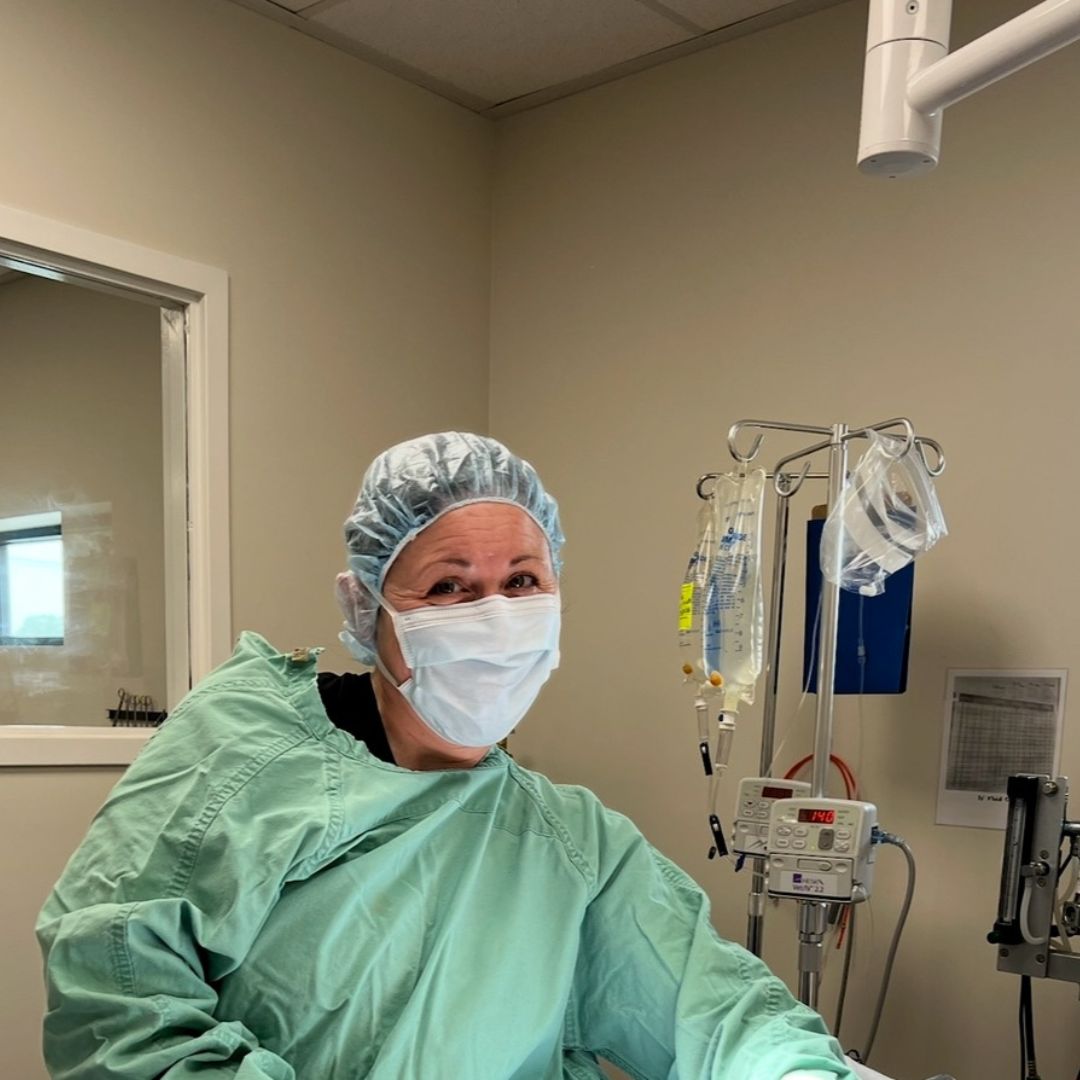
Pet Surgery in Florence, SC
Whether your pet requires a routine procedure, such as a spay or neuter, or a more advanced soft tissue surgery, our experienced team provides expert care in a supportive and compassionate environment.
Expert Veterinary Surgical Services for Pets
Our modern facility is equipped to handle various types of surgical procedures, including:
- Spay and neuter surgeries for dogs and cats
- Mass removals (benign or cancerous growths)
- Soft tissue surgery, including bladder, gastrointestinal, and wound repairs
- Limb, tail, or toe amputations due to trauma or disease
- Cryotherapy to remove small skin growths or warts with minimal discomfort
Each procedure is performed with precision and care by our skilled veterinary team. We use up-to-date surgical techniques, sterile protocols, and continuous patient monitoring to ensure your pet’s safety throughout every step of their procedure.
Spaying and Neutering
Spaying (for females) and neutering (for males) are among the most common — and most beneficial — veterinary surgeries. These procedures not only prevent unwanted litters but also provide significant health and behavioral benefits.
Health Benefits of Spay & Neuter Surgery:
- Reduces the risk of mammary tumors and uterine infections (pyometra) in females
- Prevents testicular cancer and prostate issues in males
- Helps reduce hormone-driven behaviors like roaming, aggression, and marking
- Decreases the risk of reproductive complications later in life
Our team provides detailed aftercare instructions and is always available to answer questions before and after surgery. Most pets recover quickly with minimal discomfort when properly cared for at home.
Soft Tissue Surgery and Mass Removals
Soft tissue surgeries address a wide range of internal and external conditions that can affect your pet’s health and quality of life. Whether it's removing a mass, correcting a hernia, or repairing a wound, our veterinary surgical team is trained to perform these procedures with precision.
Early intervention is key when it comes to growths or internal issues. Our veterinarians will thoroughly evaluate your pet and recommend the most appropriate treatment plan to ensure the best possible outcome.
Compassionate Amputation Services
While the idea of limb or tail amputation can be difficult, sometimes it’s the best option to relieve pain and improve your pet’s quality of life. Common reasons for amputation include:
- Bone cancer (osteosarcoma)
- Irreparable trauma
- Severe infection or tissue damage
Following surgery, pets typically stay in our hospital for monitoring before being discharged to continue their recovery at home. Most animals adapt quickly to life on three legs or without a tail, especially once the source of pain has been removed.
Cryotherapy
For pets with small skin growths or warts, cryotherapy provides a fast and effective solution. This technique uses extreme cold to safely remove abnormal tissue without the need for traditional surgical excision. It’s a great option for benign skin issues and is especially helpful in sensitive areas.
Frequently Asked Questions
Can my pet eat or drink before surgery?
In most cases, pets should not eat anything after midnight the night before surgery. This helps reduce the risk of complications while under anesthesia. Water may be allowed in small amounts, but we’ll provide you with specific pre-surgical instructions based on your pet’s procedure and health history. Always follow your veterinarian’s recommendations carefully.
Will my pet be under anesthesia during surgery?
Yes. For all surgical procedures — whether routine or complex — your pet will be placed under general anesthesia to ensure they are unconscious, pain-free, and completely still during the operation. Our trained veterinary team carefully monitors each patient’s vital signs throughout the entire procedure to ensure safety.
Will my pet be in pain after surgery?
Some discomfort is normal after surgery, but we take every precaution to manage your pet’s pain effectively. We administer pain medication before, during, and after the procedure as needed. Your pet will also go home with detailed aftercare instructions and any necessary prescriptions to keep them comfortable during recovery.
Is surgery safe for older pets?
Age alone does not determine whether a pet is a good surgical candidate. Our team performs a thorough pre-surgical exam and diagnostic testing (such as bloodwork) to assess your pet’s health and minimize risk. Many senior pets safely undergo surgery and benefit greatly from it.
Will my pet need stitches or a cone?
Most surgical procedures require internal and/or external sutures (stitches), which may dissolve on their own or need to be removed at a follow-up visit. We often recommend an Elizabethan collar (cone) or surgical suit to prevent your pet from licking or irritating the incision site.